

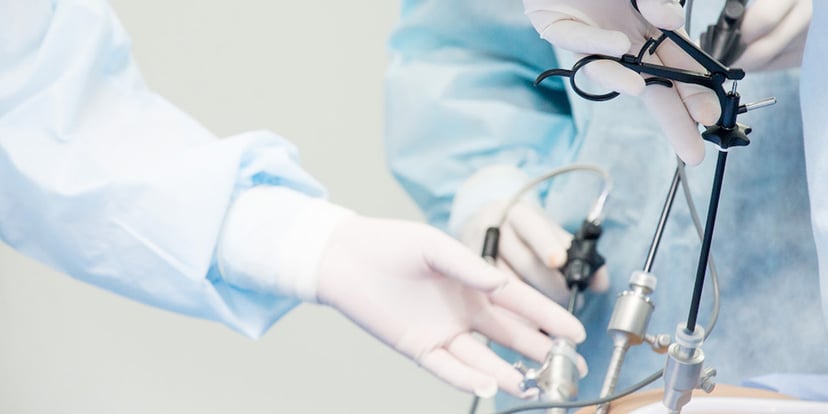
Modern surgery is far less intimidating than it used to be. Thanks to Minimally Invasive Surgery (MIS), also known as Laparoscopic or "Keyhole" surgery, patients no longer have to endure large incisions. This advanced medical technology allows surgeons to perform complex procedures through tiny openings, resulting in less blood loss, fewer complications, and a significantly faster return to daily life.
The Comparison: Open Surgery vs. Laparoscopic Surgery
To help you understand why laparoscopic surgery is the preferred modern choice, here is a direct comparison of the two methods:
- Blood Loss During Surgery: Traditional open surgery typically involves blood loss of 200–500 ml. In contrast, laparoscopic surgery is highly precise, reducing blood loss to only 5–10 ml.
- Duration of Surgery: Open surgery usually takes over 1 hour. Laparoscopic procedures can often be completed in as little as 30 minutes, depending on the complexity of the case.
- Incision Size: Open surgery leaves a large scar ranging from 12–20 cm. Laparoscopic surgery requires only 3–4 tiny incisions, each measuring just 0.6–0.8 cm.
- Post-Operative Pain: Because open surgery affects a larger area of tissue, patients often experience significant pain. Laparoscopic surgery causes much less trauma, resulting in minimal post-operative discomfort.
- Recovery Time: Patients undergoing open surgery usually require 7–14 days of recovery before discharge or returning to light activity. With laparoscopic surgery, most patients recover within 2–5 days and can return to their normal routine in about 1 week.
Preparation for the Best Results
Before Surgery
- Physical Readiness: Eat a nutritious diet and get plenty of rest.
- Medical History: Inform your doctor of any chronic illnesses, allergies, or current medications.
- Fast (NPO): Refrain from all food and water for at least 6 hours prior to surgery.
- Lifestyle: Avoid smoking and alcohol to ensure faster wound healing.
- Specialized Prep: For intestinal surgeries, your doctor may prescribe medication to clear the bowels.
After Surgery
- Initial Diet: Restrict food and water for the first 12–24 hours (or as directed by your surgeon).
- Activity: Engage in light movement as recommended to prevent internal adhesions and stimulate bowel function.
- Recovery: While open surgery takes 4–6 weeks for full recovery, most laparoscopic patients return to normal activities within just 1 week.