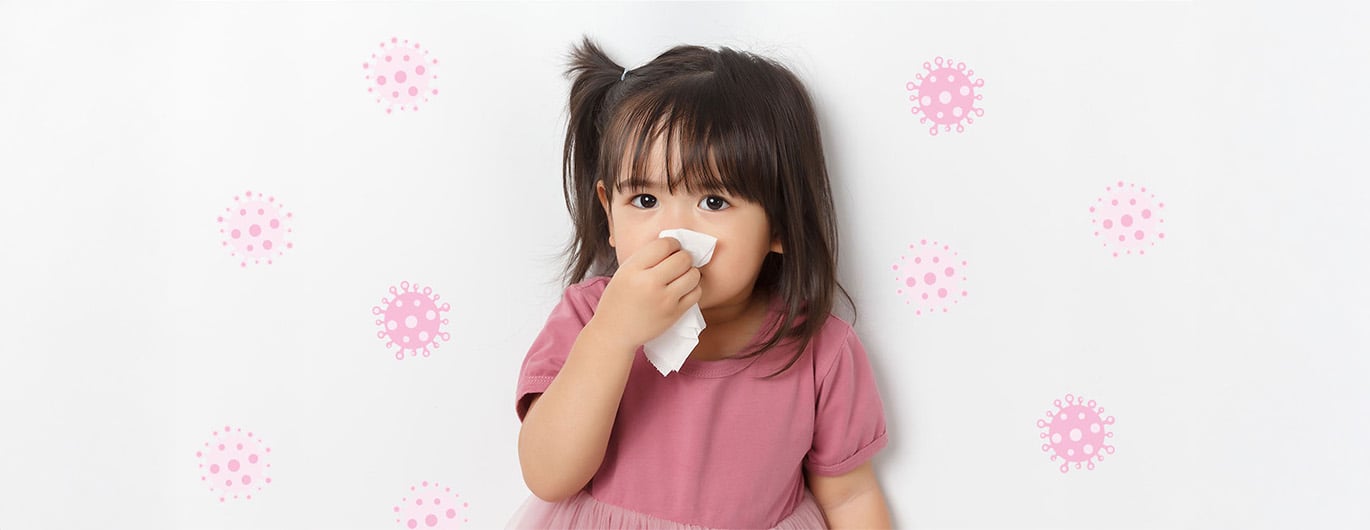


RSV (Respiratory Syncytial Virus) is a common virus that causes infections in the respiratory tract. While it can affect anyone, it is a leading cause of severe illness—such as pneumonia and bronchiolitis—in infants and the elderly. RSV is highly contagious and spreads easily through droplets from coughing and sneezing or by touching contaminated surfaces.
Spotting the Signs: Is it a Cold or RSV?
- Early symptoms often mimic a common cold. However, if the infection worsens, look for these dangerous signs:
- Severe Coughing: Often accompanied by thick, heavy phlegm.
- Difficulty Breathing: Rapid breathing, wheezing, or "retractions" (where the chest pulls in with each breath).
- High Fever: Persistent fever accompanied by chills.
- Dehydration and Lethargy: Especially in infants under 2 years old, who may refuse to feed and become unusually drowsy.
Treatment: Supportive Care for Recovery
Since there is currently no specific antiviral cure for RSV, treatment focuses on supporting the body while the immune system fights the virus:
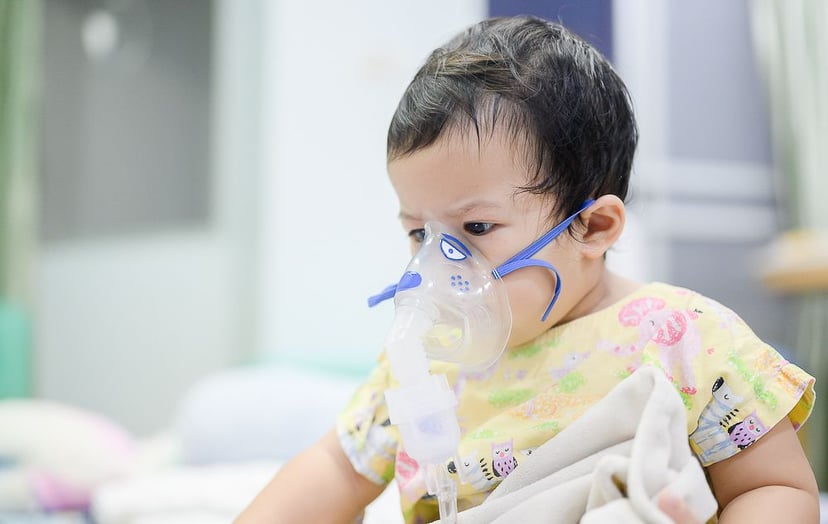
- Respiratory Support: Using nebulizers to clear airways, chest physical therapy, and suctioning phlegm.
- Fever Management: Administering acetaminophen (avoid aspirin in young children to prevent Reye’s Syndrome).
- Hydration: Ensuring plenty of fluids. IV fluids may be necessary if the child cannot drink enough.
- Oxygen Therapy: In severe cases, supplemental oxygen or a ventilator may be required to stabilize breathing.
New Innovations in Prevention
Beyond handwashing and social distancing, new medical options are now available to protect high-risk infants:
- Long-acting Monoclonal Antibodies: This is a ready-to-use immune defense (not a vaccine) that can reduce RSV infection risk by 79% and ICU admissions by 75%. It is highly recommended for infants under 8 months old.
- Maternal RSV Vaccine: Administered to mothers during weeks 24–36 of pregnancy to pass protective antibodies directly to the baby before birth.
Home Prevention Tips
- Frequent Handwashing: The most effective way to stop the spread.
- Clean Surfaces: Regularly disinfect toys, tables, and doorknobs.
- Smoke-Free Environment: Secondhand smoke weakens a child’s lungs and significantly increases the risk of severe RSV.
- Stay Home: If a child is sick, keep them out of nursery or school for at least 5–7 days to prevent spreading the virus to others.