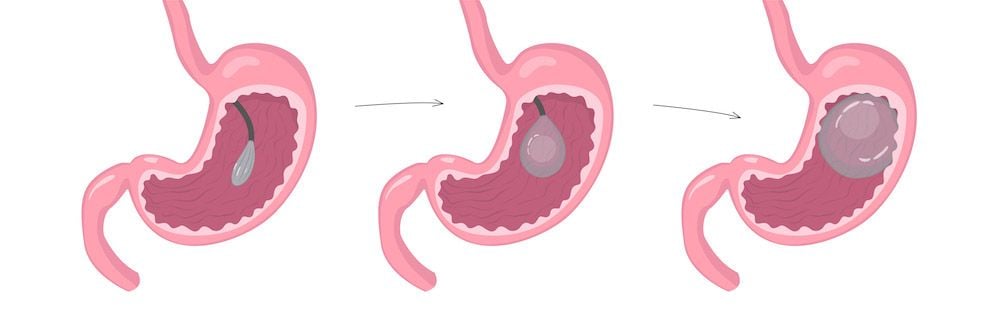



The Gastric Balloon is a medical weight loss procedure that does not require surgery. It involves placing a soft, flexible silicone balloon into the stomach to reduce available space, helping you feel full faster and consume smaller portions. It is an ideal alternative for those struggling with obesity or those who haven't seen results from traditional diet and exercise alone.
How Does the Gastric Balloon Work?
- Placement: A specialist performs an endoscopy to place the balloon through the mouth into the stomach. The patient is usually under mild sedation for comfort.
- Inflation: Once positioned, the balloon is filled with 400–700 ml of sterile saline. This volume limits how much food you can consume in one sitting.
- Duration: The balloon remains in the stomach for approximately 6 months to help you build healthier eating habits and a new lifestyle. It is then removed using the same endoscopic method.
Benefits of the Gastric Balloon
- Non-Surgical: No incisions and no surgical scars, significantly reducing the risk of surgical complications.
- Quick Recovery: The procedure takes only 20–30 minutes, and most patients can return home on the same day.
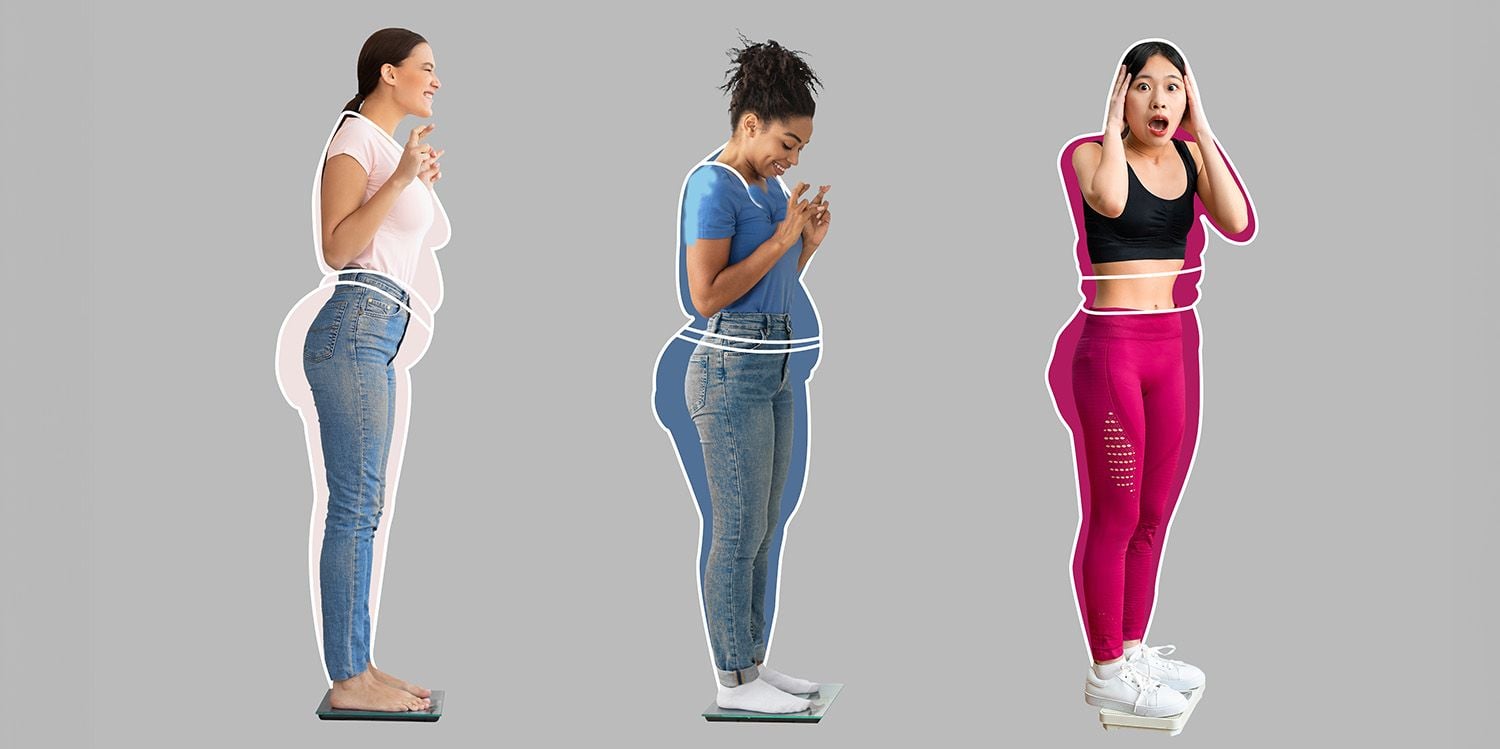
- High Effectiveness: Patients typically lose 10–15% of their total body weight within the 6-month period.
- Sustainable Habits: It trains your stomach to become accustomed to smaller, healthier portions for long-term weight maintenance.
Who is an Ideal Candidate?
- Individuals with a Body Mass Index (BMI) between 27 and 40.
- Those who have tried traditional weight loss methods (diet/exercise) without success.
- Individuals looking to improve health conditions like Type 2 Diabetes or High Blood Pressure through weight loss.
- Those needing to reduce weight for safety before a major surgery.
Post-Procedure Care and Diet
During the first week, your body may experience nausea, vomiting, or bloating as it adjusts to the balloon. These symptoms are normal and can be managed with medication. Dietary guidelines include:
- Initial Phase: Start with clear liquids for 2–3 days, then gradually move to soft foods.
- Meal Discipline: Eat small, frequent meals and chew food thoroughly.
- Foods to Avoid: Limit high-fat, high-sugar foods and carbonated beverages.