

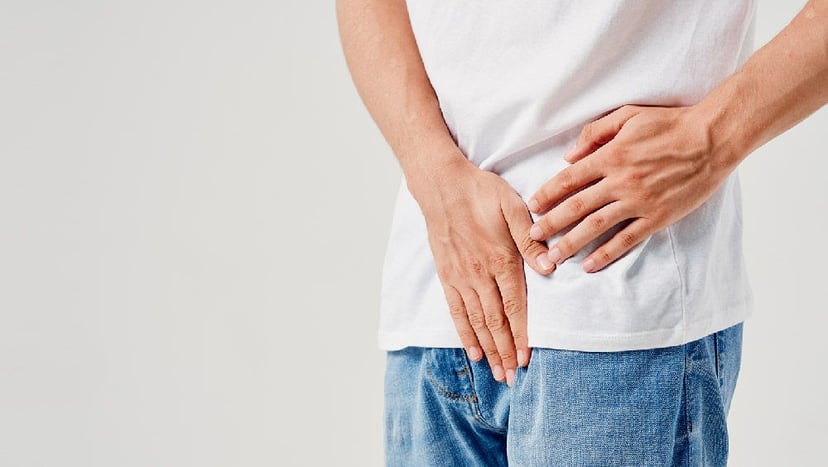
A Hernia occurs when an internal organ (usually the small intestine or fatty tissue) protrudes through a weak spot or hole in the abdominal wall. This creates a visible bulge in areas such as the groin (Inguinal Hernia) or the abdomen (Ventral Hernia). If left untreated, the trapped tissue can become "strangulated," cutting off blood supply—a surgical emergency that can be life-threatening.
Symptoms to Watch For
- A Visible Bulge: A lump that appears when you stand, cough, or strain, and often disappears when you lie down.
- Aching or Pressure: A heavy, dragging sensation or sharp pain, especially when lifting heavy objects or bending over.
- Warning Signs: If the bulge becomes firm, painful, and cannot be pushed back in, or if you experience nausea and vomiting, seek emergency care immediately.
Risk Factors That Weaken the Abdominal Wall
- Age: Natural weakening of tissues over time (affects 50% of men over 75).
- Increased Abdominal Pressure: Chronic constipation (straining), an enlarged prostate, or a persistent cough (often from smoking).
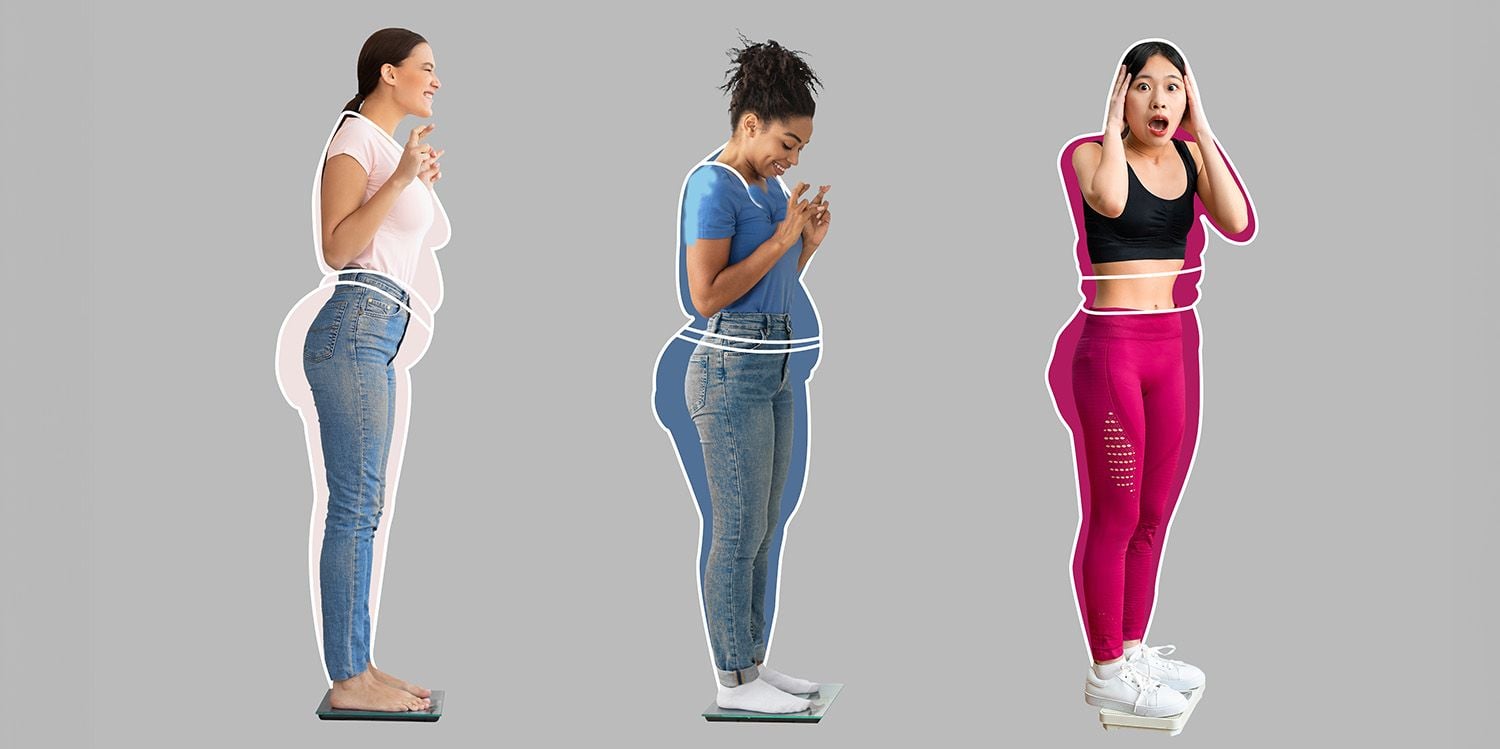
- Lifestyle & Weight: Regular heavy lifting and obesity place constant stress on the abdominal muscles.
Innovative Treatment: Laparoscopic Hernia Repair
Modern surgery offers a highly effective alternative to traditional "open" surgery through Laparoscopic Techniques (TEP/TAPP):
- Small Incisions (0.5 – 1 cm): Performed through tiny punctures near the navel, resulting in minimal scarring.
- 3D Anatomical Mesh: We use advanced 3D synthetic meshes designed to fit the body's natural contours, reinforcing the weak area from the inside.
- Reduced Pain with Fibrin Glue: Instead of traditional metal tacks, we often use specialized medical glue (Fibrin Glue) to secure the mesh, which significantly reduces post-operative pain.
- Faster Recovery: Most patients stay only 1–2 days in the hospital and return to their normal routines much faster than with open surgery.
Self-Care and Prevention
- Pre-Surgery: Avoid heavy lifting and manage underlying conditions that cause straining (like constipation or chronic cough).
- Post-Surgery: Avoid strenuous exercise or heavy lifting for at least 1 month. Maintain a healthy weight to prevent recurrence.
- Prevention: Eat a high-fiber diet to prevent constipation, quit smoking, and engage in core-strengthening exercises.